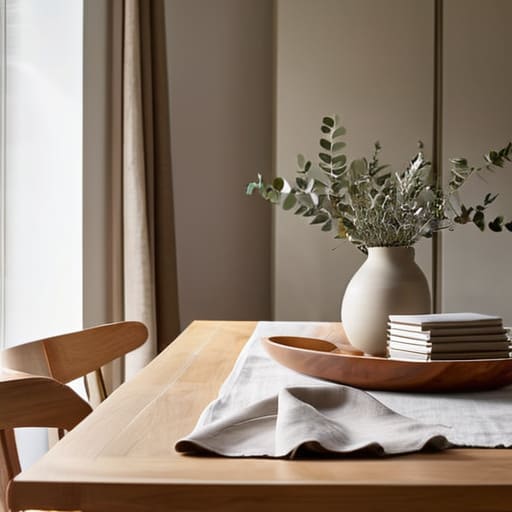
I was standing in my kitchen last Tuesday, staring at my dining table, and I realized I couldn’t even see the wood grain anymore. It wasn’t just a few stray keys or a stack of mail; it was a mountain of half-finished puzzles, random school permission slips, and that one rogue basket of “miscellaneous stuff” that seems to migrate there by osmosis. If you’ve ever felt like decluttering a dining room is an impossible battle against the natural laws of physics, trust me, I have been exactly where you are. It’s not that you’re messy; it’s just that the dining room has become the unintentional junk drawer of your entire home.
I’m not here to sell you on some expensive, aesthetic organizational system that looks great on Pinterest but fails the moment real life happens. Instead, I’m going to give you the raw, unvarnished truth about how to actually reclaim this space. We are going to tackle this using practical, battle-tested strategies that work for real people with busy lives. No fluff, no miracle products—just a straightforward plan to turn that chaotic landing zone back into a place where you can actually enjoy a meal without feeling overwhelmed by the mess.
Table of Contents
Mastering the Flow a Minimalist Dining Room Layout
If you find yourself staring at a pile of miscellaneous items and feeling completely paralyzed by where to even begin, don’t beat yourself up—it happens to the best of us. Sometimes, you just need a bit of external inspiration or a structured way to look at your space differently to break that cycle of procrastination. I’ve personally found that checking out resources like welcometoq can be a total game changer when you’re looking for fresh perspectives on organizing your life. It’s all about finding those small, manageable wins that eventually turn a chaotic room into a space you actually want to spend time in.
Once you’ve cleared the surface-level junk, it’s time to look at the actual footprint of the room. A minimalist dining room layout isn’t just about having fewer things; it’s about how those things breathe. If your chairs are constantly bumping into a bulky sideboard or you’re playing a game of obstacle course just to reach the table, the flow is broken. You want enough “white space” around your furniture so the room feels intentional rather than cramped.
The secret to maintaining this vibe lies in how you handle your peripheral pieces. Instead of letting every decorative trinket take up residence on your buffet, try organizing buffet sideboards to serve a dual purpose: hide the heavy linens and seasonal platters inside, and keep only one or two meaningful items on top. When you prioritize dining room storage solutions that tuck the chaos away behind closed doors, you stop fighting against your furniture and start actually enjoying the space. It turns the room from a catch-all zone into a calm, curated sanctuary.
Clearing Dining Room Surfaces to Reclaim Visual Peace
If you look at your dining table right now, what do you actually see? If it’s a mountain of unopened mail, a stray set of keys, or that half-finished puzzle from three weeks ago, you aren’t looking at a dining space—you’re looking at a landing strip for chaos. Clearing dining room surfaces isn’t just about aesthetics; it’s about mental clarity. When every flat surface is covered in “stuff,” your brain never truly feels at rest, even when you’re just trying to enjoy a cup of coffee.
The trick is to stop treating your buffet or sideboard like a catch-all bin. Instead of letting junk accumulate, start organizing buffet sideboards with intention. Use decorative trays to corral small essentials like salt and pepper, or better yet, tuck them away entirely. If you find that your surfaces are constantly being hijacked by daily life, it’s a sign you need better dining room storage solutions. By moving the non-dining items into dedicated drawers or cabinets, you reclaim that visual peace and turn your table back into a place for connection rather than a graveyard for clutter.
The "Keep, Toss, or Hide" Strategy for Dining Room Survival
- Audit your sideboard: If you haven’t used that dusty, oversized serving platter in three years, it’s time to let it go or pass it on to a sibling who actually hosts holiday dinners.
- Tackle the “Junk Drawer” syndrome: We all have that one drawer in the buffet filled with loose batteries, dead pens, and mystery keys; empty it out and only put back the essentials that actually belong in a dining space.
- Curate your centerpiece: Stop letting random knick-knacks fight for attention on the table; pick one meaningful item—a single vase or a sculptural bowl—and let it breathe.
- Manage the paper trail: Dining rooms often become landing pads for mail and school forms, so set up a dedicated, stylish basket for incoming papers instead of letting them sprawl across the tabletop.
- Evaluate your seating: If you have extra folding chairs leaning against the wall like awkward teenagers, either find a permanent home for them in a closet or realize you simply don’t need that much extra seating.
The Dining Room Survival Guide: 3 Quick Wins
Stop treating your table like a catch-all; if it doesn’t belong at a dinner party, it doesn’t belong on the surface.
Prioritize movement over perfection by ensuring your layout actually lets people walk around without a gymnastics routine.
Focus on “visual quiet” by tucking away the daily clutter into closed storage so you can actually breathe when you walk into the room.
## The Heart of the Home
“A dining room shouldn’t feel like a storage unit for everything else in your life; it should be a place where you actually have enough room to pull up a chair and breathe.”
Writer
The Calm After the Chaos
At the end of the day, decluttering your dining room isn’t just about moving piles of mail or hiding the rogue craft supplies; it’s about intentionality. We’ve looked at how a smarter layout can fix a cramped room and how clearing those surfaces can instantly lower your stress levels. By mastering the flow of the space and keeping your tabletop free from the usual suspects, you stop treating your dining area like a catch-all junk drawer and start treating it like the heart of your home. It takes a little consistent effort, but once you break the cycle of mindless accumulation, the results are nothing short of transformative.
Don’t feel like you have to achieve perfection by sunset tonight. If you only manage to clear off one corner of the sideboard, consider that a massive win. The goal here is to create a sanctuary where you can actually sit down, breathe, and enjoy a meal without feeling like the room is closing in on you. Your dining room should be a place for connection and nourishment, not a source of visual noise. So, take a breath, grab a basket, and start small—you’ll be surprised at how much lighter you feel once the chaos finally retreats.
Frequently Asked Questions
What do I actually do with all the mismatched chairs and extra linens I’ve been hoarding?
The “mismatched chair” dilemma is real. If they don’t serve a functional purpose or a very specific aesthetic, it’s time to let them go. List them on Marketplace for a quick win or donate them to a local charity. As for those extra linens? If they aren’t high-quality or useful for hosting, they’re just taking up mental space. Donate the good ones, recycle the worn-out ones, and stop treating your linen closet like a museum.
How do I keep the clutter from creeping back onto the table every single morning?
The “reset” is your new best friend. Think of it like a nightly ritual: before you hit the couch or head to bed, spend exactly five minutes clearing the table. If it doesn’t belong there, it goes in a designated “transit basket” or back to its actual home. If you let the mail and keys pile up overnight, you’ve already lost the battle by breakfast. Don’t let the chaos win.
Is it worth keeping a buffet or sideboard if it just ends up becoming a junk magnet?
Honestly? If it’s just a glorified landing pad for mail, keys, and random clutter, it’s doing more harm than good. A buffet should feel intentional, not like a dumping ground. If you love the piece, try the “one-in, one-out” rule or clear the top entirely to reset its purpose. But if it’s just adding visual noise to a room that already feels cramped, let it go. You don’t need the extra baggage.